Codifive
For Codifive
Is this your company?
Edverise AI compiled this profile from public information so buyers could find you. Claim it to edit every field, add your portfolio and respond to reviews.
Claim & verify for free
Manage the listing yourself. Verify by work email or company domain to earn the verified badge.
Suggest an edit
Not ready to claim? Send a correction and our team will review and update verified factual errors.
Overview
$10,000+
Min Project Size
$50 - $99/hr
Avg Hourly Rate
10 - 49
Employees
2020
Year Founded
ABOUT CODIFIVE
We make clients and their processes happy.
Our team includes programmers, testers, analysts, architects, and project managers, all of whom have 10 to 20 years of experience. For many years, we have collaborated as a team of over 12 individuals. Together, we have created and maintained products for major enterprises in Poland, serving millions of customers.
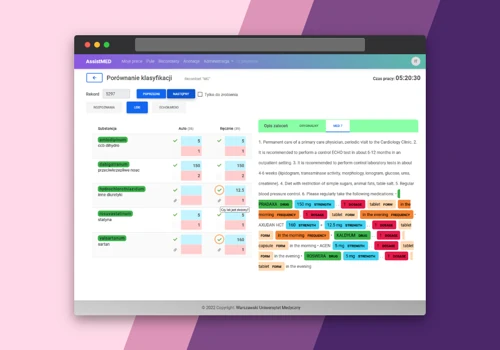
We focus on delivering software development services that encompass business analysis, solution architecture design, project management, implementation, testing, and ongoing maintenance and enhancement of products.
Tech Stack
NodeJSReactDjango.NETVueJSReact NativePythonTypescriptSQLJavaScriptPHPC#
Languages Spoken
EnglishPolish
HIGHLIGHTS
$10,000+
Min Project Size
$50 - $99/hr
Avg Hourly Rate
10 - 49
Employees
2020
Year Founded
Services
Focus
Industries
Clients
Services Provided
23% Backend Development
15% QA & Software Testing
13% Custom Web Application Development
10% AI Strategy & Roadmap Consulting
8% Other IT Consulting and SI
7% Machine Learning Model Development
12% Workflow Automation (Zapier / Make / n8n)
12% Custom AI Chatbot Development
About the Team
OUR STORY
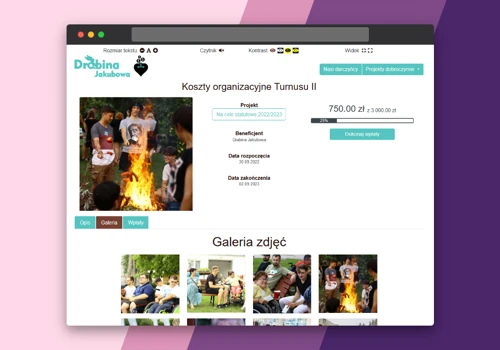
CodiFive Sp. z o.o. is a team of IT professionals, including developers, testers, analysts, software designers, and team leaders who have collaborated for over 17 years. In 2020, they established their own company to expand their services, specializing in custom software development, business process automation, IT support, and training. The team embraces a teal organization philosophy, characterized by shared rules, trust, clear communication, and responsibility, fostering a motivating and creative environment that benefits clients. During the COVID-19 pandemic, CodiFive offered remote work expertise to businesses and assisted schools in adapting to distance education. Additionally, they support social initiatives and educational conferences, such as Koderek.edu.pl, advocating for modernizing Polish education through hybrid learning models.
Projects & Clients
Project Size & Rate
Minimum Project Size
$10,000+
Average Hourly Rate
$50 - $99/hr
Locations
Headquarters
16 Williama Heerleina Lindleya
Warszawa, Masovian, Poland 02-013