CodeIT
For CodeIT
Is this your company?
Edverise AI compiled this profile from public information so buyers could find you. Claim it to edit every field, add your portfolio and respond to reviews.
Claim & verify for free
Manage the listing yourself. Verify by work email or company domain to earn the verified badge.
Suggest an edit
Not ready to claim? Send a correction and our team will review and update verified factual errors.
Overview
$50,000+
Min Project Size
$25 - $49/hr
Avg Hourly Rate
50 - 249
Employees
2007
Year Founded
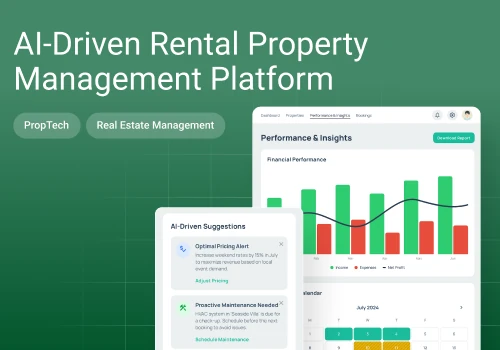
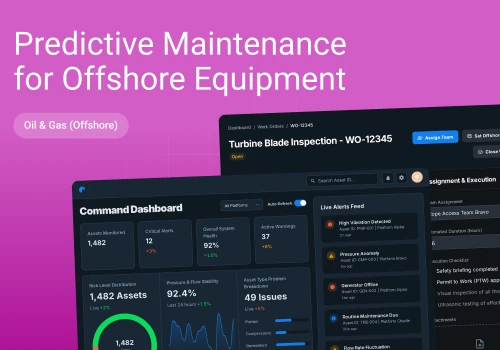
CodeIT AI Lab - From Concept to Scalable AI
$50,000+
Min Project Size
$25 - $49/hr
Avg Hourly Rate
50 - 249
Employees
2007
Year Founded
About the Team
Projects & Clients
Project Size & Rate
$50,000+
$25 - $49/hr
Locations
Ana Ahmatova St, 9, Mladost 1A
Otakara Yarosha Ln, 18, Kharkiv, Ukraine, 61000 61000
Soborna St, 8 21000
2510 Norwood Avenue United States 11710
Powstańców Śląskich 9 50-529